

Cataract Surgery
See Clearly Again With Cataract Surgery
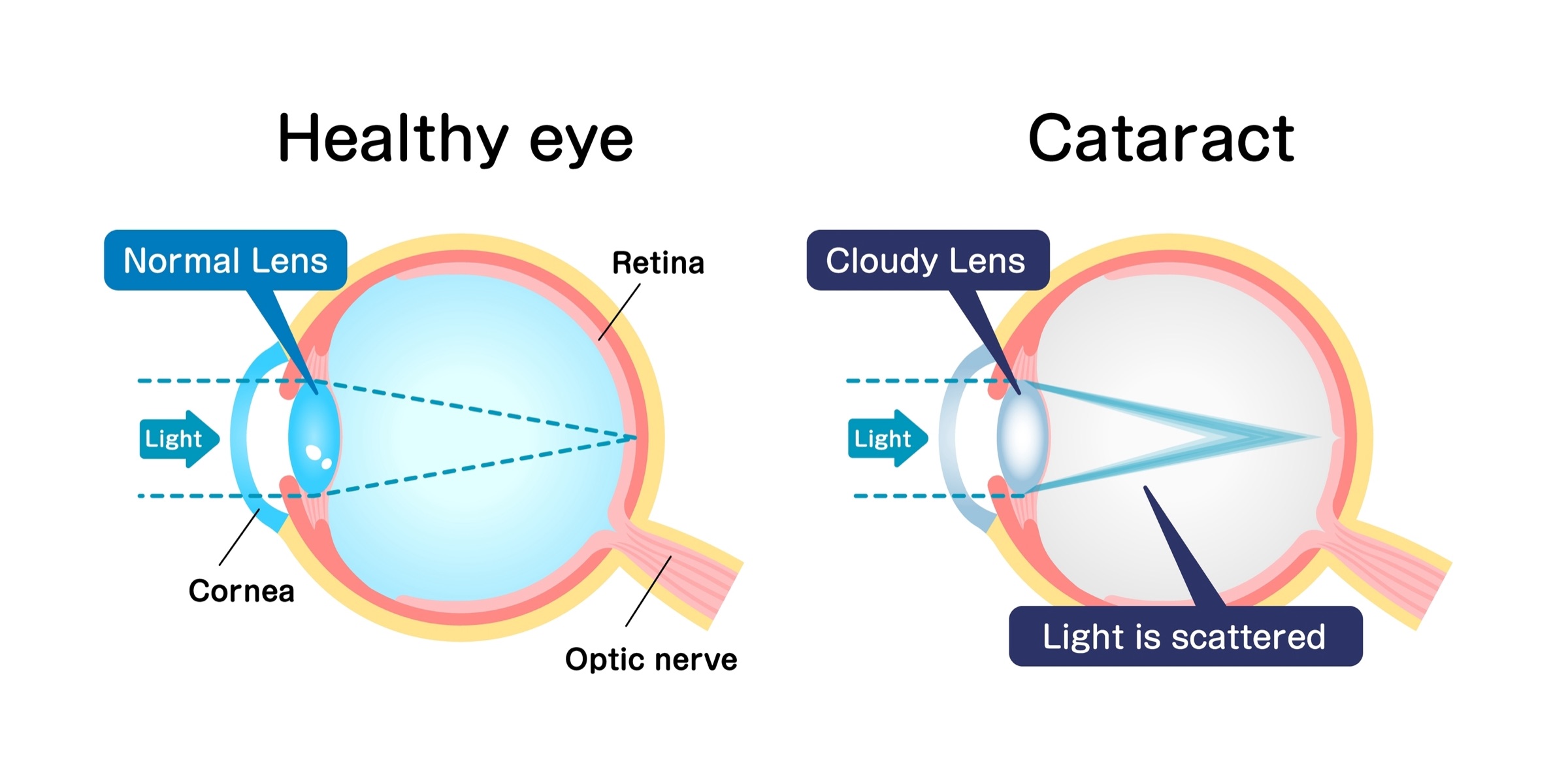
Cataracts can make the world gradually look cloudy, dim, or less vibrant. You may notice more glare while driving at night, difficulty reading in low light, or find that your glasses prescription seems to change more often than it used to.
At Spectra Eye Care, Dr. Sahar Bedrood provides personalized cataract care designed around more than simply removing a cataract. Your vision, lifestyle, eye health, and goals all play a role in creating the right surgical plan for you.
What Is a Cataract?
A cataract develops when the natural lens inside your eye becomes cloudy. Cataracts are a normal part of aging and typically develop gradually, which means you may not notice the changes in your vision right away.
Common symptoms can include:
- Blurry or cloudy vision
- Increased glare or halos around lights
- Difficulty driving at night
- Colors appearing faded or less vibrant
- Frequent changes in your glasses prescription
- Needing brighter light to read
- Difficulty seeing fine details
When cataracts begin interfering with the things you want or need to do, it may be time to consider surgery.

A More Personalized Approach to Cataract Surgery
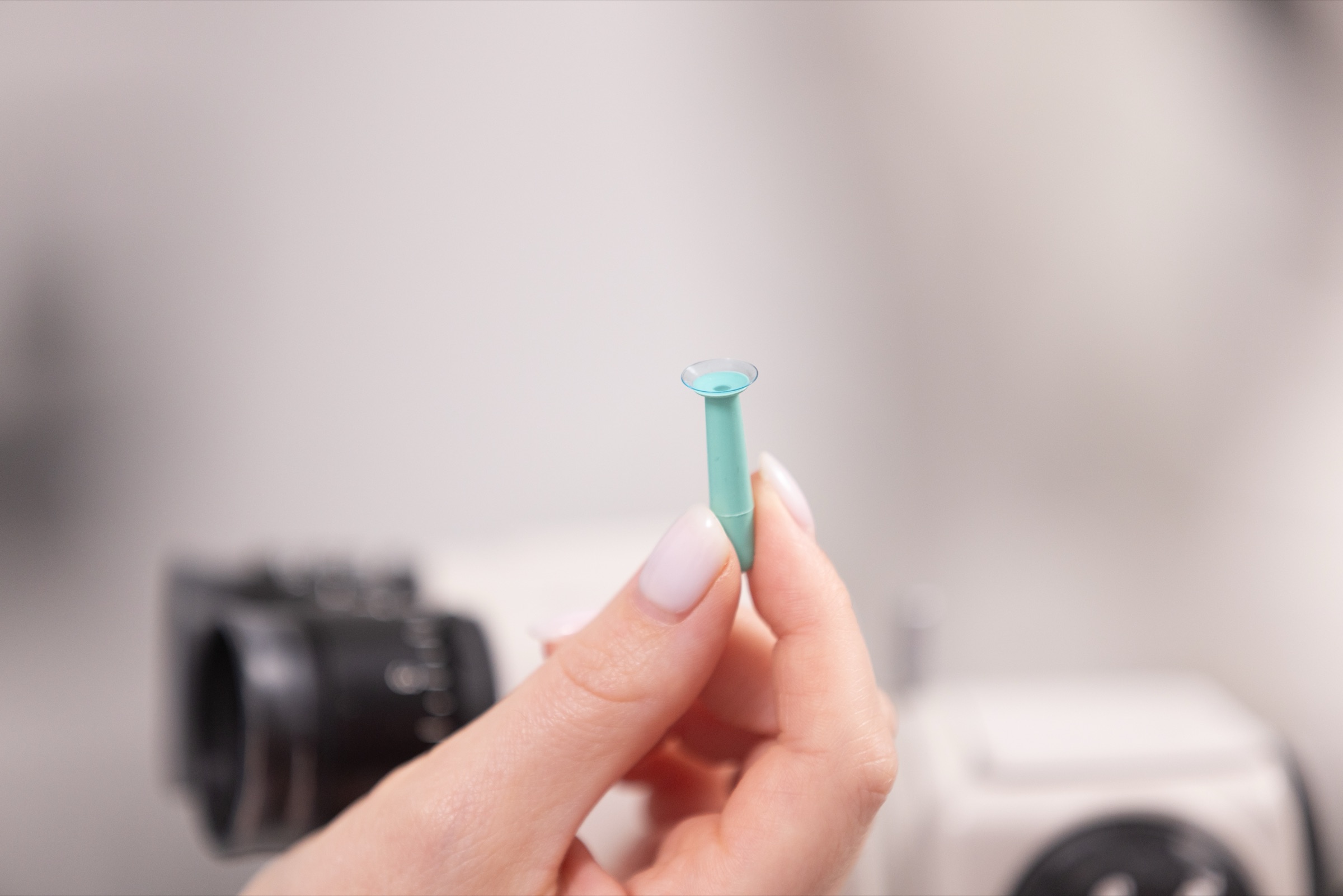
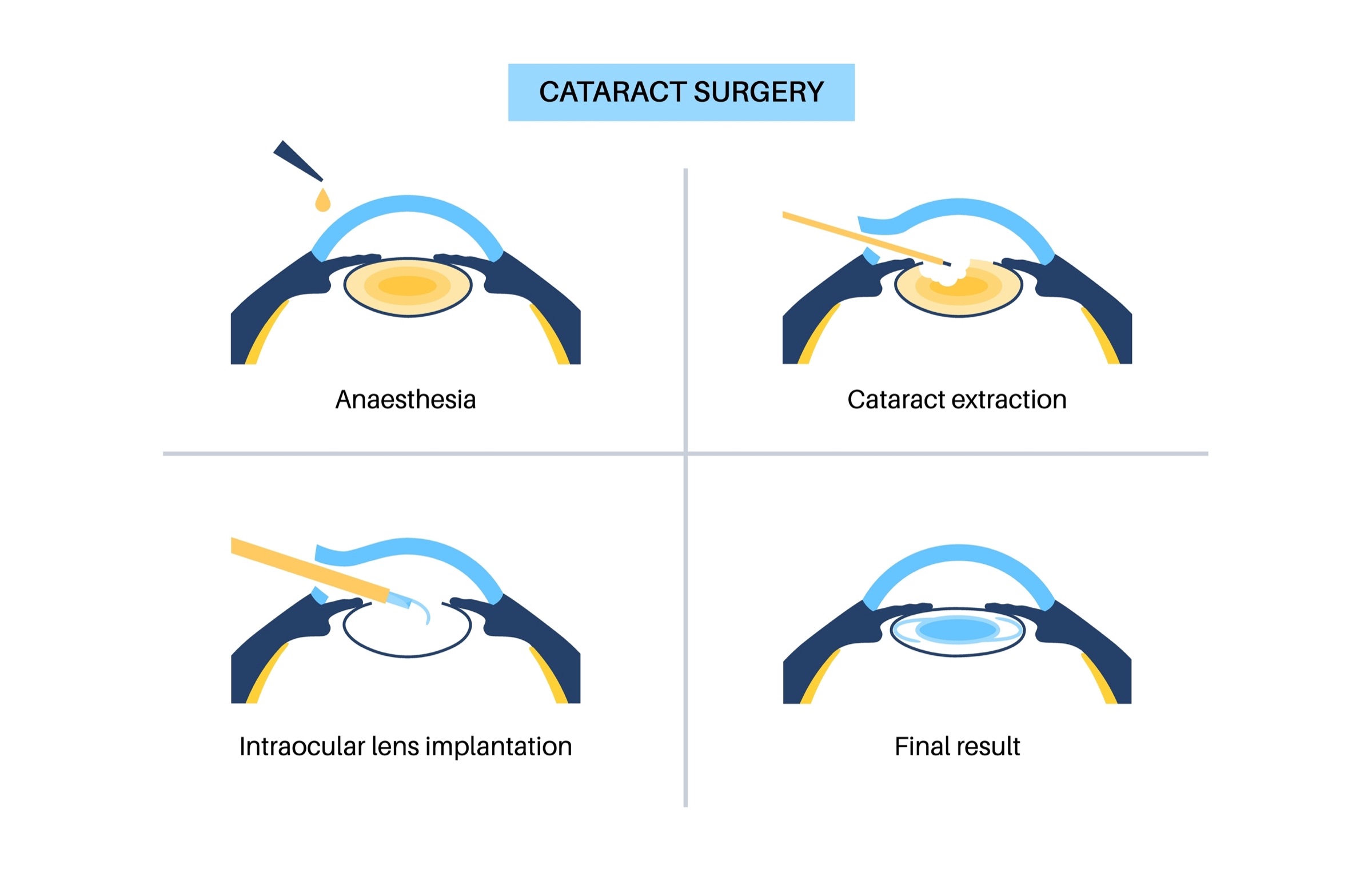
Cataract surgery removes the eye’s cloudy natural lens and replaces it with a clear artificial lens called an intraocular lens, or IOL.
But choosing to have cataract surgery is only one part of the decision.
Today, there are multiple lens and technology options that may allow us to address nearsightedness, farsightedness, astigmatism, or presbyopia at the same time as cataract surgery.
Dr. Bedrood takes the time to understand how you use your vision every day before recommending a treatment plan.
Do you spend hours working on a computer? Drive frequently at night? Read without glasses? Play golf or tennis? Want to reduce your dependence on reading glasses?
Those details matter.
Choosing the Right Lens for Your Vision
There is no single “best” cataract lens for every patient.
Depending on your eyes and your vision goals, your options may include lenses designed to provide clear distance vision, correct astigmatism, or provide a broader range of vision at multiple distances.
Your cataract evaluation will include detailed measurements and a conversation about your lifestyle so Dr. Bedrood can help you understand the benefits and limitations of your options.
The goal isn’t simply to choose the most advanced technology. It’s to choose the technology that makes the most sense for you.
What Happens During Cataract Surgery?
Cataract surgery is typically performed as an outpatient procedure.
During surgery, Dr. Bedrood removes the cloudy natural lens and replaces it with the IOL selected as part of your surgical plan.
Most patients return home the same day and notice improvements in their vision as the eye heals.
If cataracts are present in both eyes, surgery is generally performed on separate days.
Cataract Surgery + Glaucoma
Patients who have both cataracts and glaucoma may have additional treatment options.
In certain patients, glaucoma treatment can be performed at the same time as cataract surgery. These procedures may help improve pressure control and, depending on the individual patient, potentially reduce reliance on glaucoma medications.
Because Dr. Bedrood specializes in both cataract and glaucoma care, she can evaluate how the two conditions should be managed together rather than treating them as completely separate problems.
When Should I Consider Cataract Surgery?
You don’t necessarily need cataract surgery simply because you have been diagnosed with cataracts.
The better question is whether your cataracts are interfering with your life.
If changes in your vision are making driving, reading, working, enjoying hobbies, or completing everyday activities more difficult, it may be time for an evaluation.


Start With a Cataract Evaluation
Cataract surgery isn’t one-size-fits-all. Your consultation is an opportunity to understand what’s changing in your vision, explore your options, and create a plan that fits your eyes and your life.