

Interventional Glaucoma
A More Proactive Approach to Glaucoma Care
Glaucoma treatment has changed. Today, we have more options.
For many years, treatment often followed a predictable path: start with eye drops, add more medications if pressure remained too high, and consider a procedure or surgery only when those treatments were no longer enough.
Interventional glaucoma is a proactive approach that considers laser treatments, sustained-release medications, and minimally invasive procedures earlier in the treatment process when appropriate.
At Spectra Eye Care, Dr. Sahar Bedrood looks beyond today’s eye pressure to create a long-term strategy for protecting your vision—with the goal of controlling glaucoma while reducing the drops to the minimum necessary to attain that goal.

What Is Interventional Glaucoma?
Interventional glaucoma isn’t one specific procedure.
It’s an approach to glaucoma management that uses procedural treatments when they make sense rather than automatically relying on daily eye drops as the primary or only treatment.
Depending on your type and stage of glaucoma, treatment may include:
Selective Laser Trabeculoplasty (SLT)
Sustained-release glaucoma medication
Minimally Invasive Glaucoma Surgery (MIGS)
Glaucoma treatment combined with cataract surgery
Traditional glaucoma surgery when more significant pressure reduction is necessary or other treatment has failed
The goal isn’t simply to eliminate eye drops.
It’s to choose the right treatment at the right time to protect your optic nerve, preserve your vision and reduce the drops to the minimum amount possible.
Why Consider Treatment Beyond Eye Drops?
Glaucoma eye drops can be extremely effective, and they remain an important treatment option.
But using medication every day for years can also create challenges.
Patients may forget doses, have difficulty putting drops in their eyes, experience allergies, irritation or other side effects, or find themselves managing several medications at different times throughout the day.
And because glaucoma often doesn’t cause noticeable symptoms until damage has already occurred, it can be difficult to appreciate the importance of a medication you may need to use indefinitely.
Interventional glaucoma gives us additional ways to control eye pressure that don’t depend entirely on you remembering to administer medication every day.
Selective Laser Trabeculoplasty (SLT)
Selective Laser Trabeculoplasty, or SLT, is an in-office laser treatment used to lower eye pressure in patients with certain types of glaucoma or ocular hypertension.
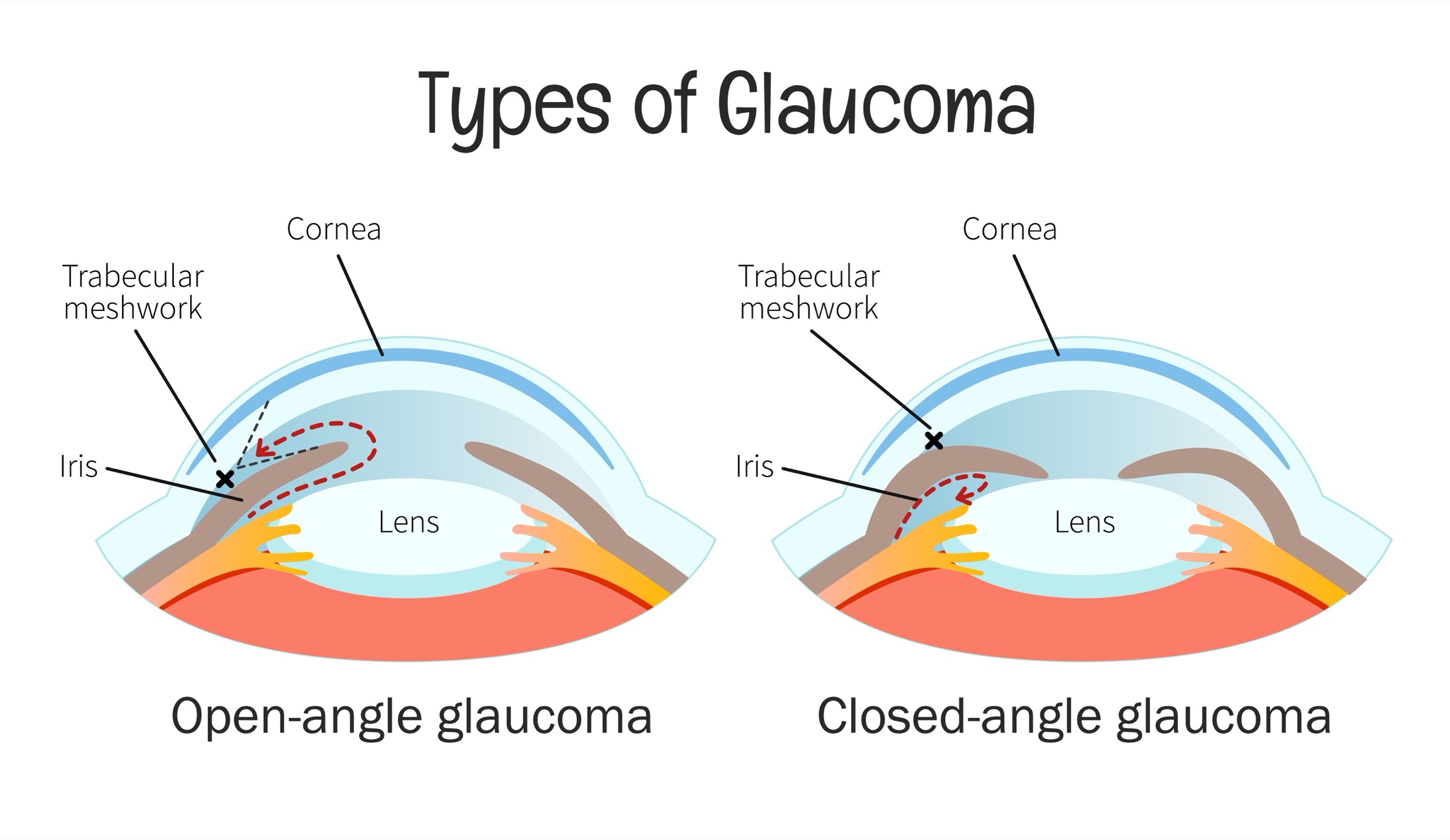
Rather than creating a new drainage pathway, SLT works with the eye’s existing drainage system to help make it work better so that it drains the fluid more efficiently and lowers the eye pressure.
The procedure is typically quick, done in the office, doesn’t require an incision, and may reduce or delay the need for glaucoma eye drops in appropriate patients.
SLT can be considered at different points in glaucoma treatment, including as an early treatment option for some patients.
The results aren’t permanent for everyone, and additional treatment may eventually be necessary. Dr. Bedrood will continue monitoring your eye pressure, optic nerve, and visual field over time.

Sustained-Release Glaucoma Medication
What if glaucoma medication didn’t always have to come from a bottle?
Newer drug-delivery technologies allow certain glaucoma medications to be placed directly inside the eye, where they can release medication over an extended period of time.
This approach can provide consistent medication delivery without requiring the patient to remember daily drops.
For appropriate patients, sustained-release treatment may help lower eye pressure while reducing the burden of daily glaucoma medication.
Dr. Bedrood plans to offer Durysta (bimatoprost SR) and iDose (travoprost).
Minimally Invasive Glaucoma Surgery (MIGS)
Minimally Invasive Glaucoma Surgery, commonly called MIGS, refers to a group of procedures designed to lower eye pressure using smaller incisions and less tissue disruption than traditional glaucoma surgery.
Depending on the procedure, MIGS may improve the eye’s natural drainage system, bypass an area of resistance, or create another pathway for fluid to leave the eye.
For appropriately selected patients, MIGS may help:
- Lower eye pressure
- Reduce dependence on glaucoma medications
- Provide more consistent pressure control
- Delay the need for more invasive glaucoma surgery
There are multiple types of MIGS procedures, and they don’t all work in the same way.
Dr. Bedrood will recommend a procedure based on your type of glaucoma, disease severity, eye anatomy, target eye pressure, previous treatments, and overall eye health.
Glaucoma Treatment During Cataract Surgery
If you have glaucoma and are preparing for cataract surgery, it may be an ideal time to discuss treating both conditions together.
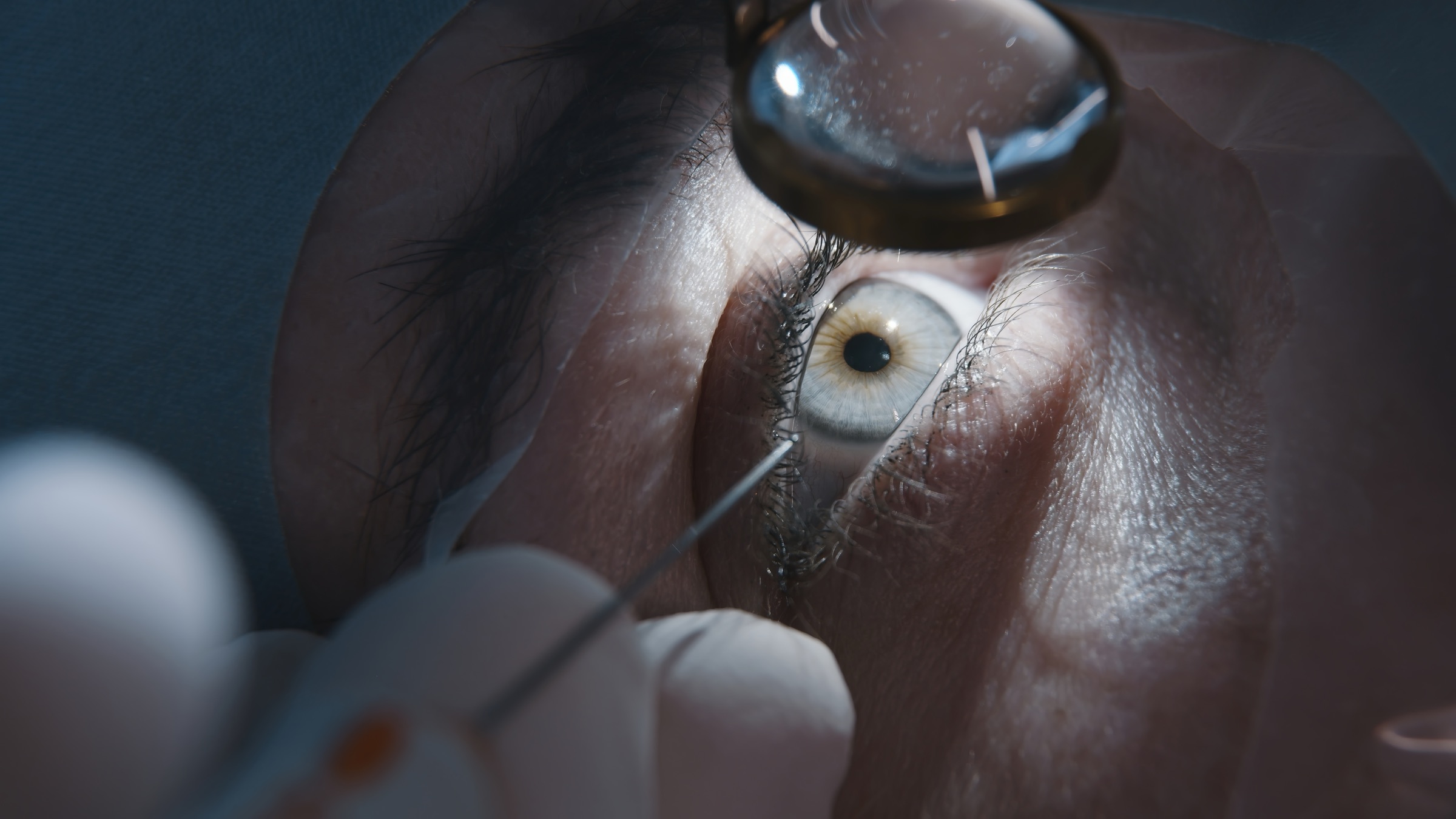
Certain MIGS procedures can be performed during cataract surgery through the same small surgical access used to remove the cataract.
For the right patient, combining cataract and glaucoma treatment may improve pressure control while potentially reducing dependence on glaucoma medications.
But glaucoma treatment shouldn’t automatically be added to every cataract procedure.
Dr. Bedrood will consider the severity of your glaucoma, your current medications, your target eye pressure, and your long-term treatment needs before recommending a combined approach.
What If My Glaucoma Is More Advanced?
Minimally invasive procedures aren’t appropriate for every stage of glaucoma.
Patients with more advanced disease or those who need significantly lower eye pressure may require traditional glaucoma surgery.
These procedures can include treatments designed to create a new pathway for fluid to leave the eye or otherwise provide greater pressure reduction than less invasive options can typically achieve.
The important thing is not choosing the least invasive treatment at all costs.
It’s choosing a treatment strong enough for the disease you’re treating.
Dr. Bedrood will discuss the benefits, risks, and alternatives of your options and recommend an approach based on how aggressively your glaucoma needs to be controlled.
Is Interventional Glaucoma Right for Me?
You don’t necessarily need to wait until multiple eye drops have failed before asking whether another treatment option exists.
You may want to discuss interventional glaucoma if:
- You’ve recently been diagnosed with glaucoma
- You’re having difficulty using your eye drops consistently
- Your medications cause irritation or other side effects
- You’re using multiple glaucoma medications
- Your eye pressure isn’t adequately controlled
- Your glaucoma is progressing despite treatment
- You’re preparing for cataract surgery
- You want to understand whether laser or procedural treatment could be appropriate for you
An evaluation with Dr. Bedrood can help determine where you are in the disease process and which options make sense now—and in the future.


Don’t Just Manage Glaucoma. Stay Ahead of It.
Glaucoma is a lifelong condition, but your treatment plan doesn’t have to stay the same forever.
As your eyes change and new treatment options become appropriate, Dr. Bedrood can adjust your care with the goal of maintaining safe eye pressure.