

Refractive Lens Exchange (RLE)
Clear Vision As You Age
If you’re frustrated by reading glasses, bifocals, or constantly switching between different pairs of glasses, you may have more options than you realize.
Refractive Lens Exchange (RLE) is a vision correction procedure that replaces the eye’s natural lens with an advanced intraocular lens, or IOL. It can correct your prescription while also addressing the age-related changes that make it increasingly difficult to focus up close.
At Spectra Eye Care, Dr. Sahar Bedrood takes a personalized approach to RLE, helping you understand whether lens-based vision correction makes sense for your eyes, lifestyle, and long-term vision goals.
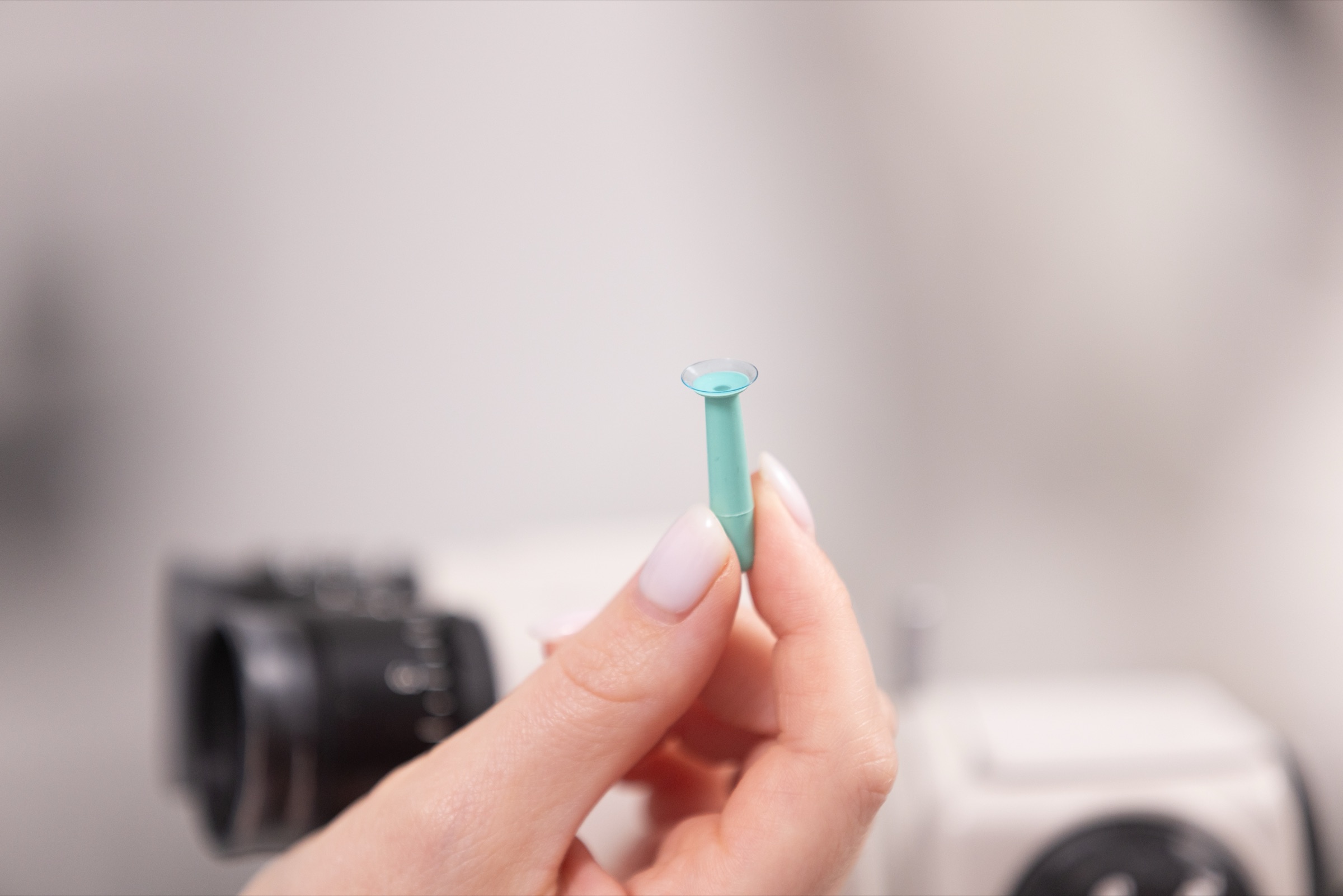
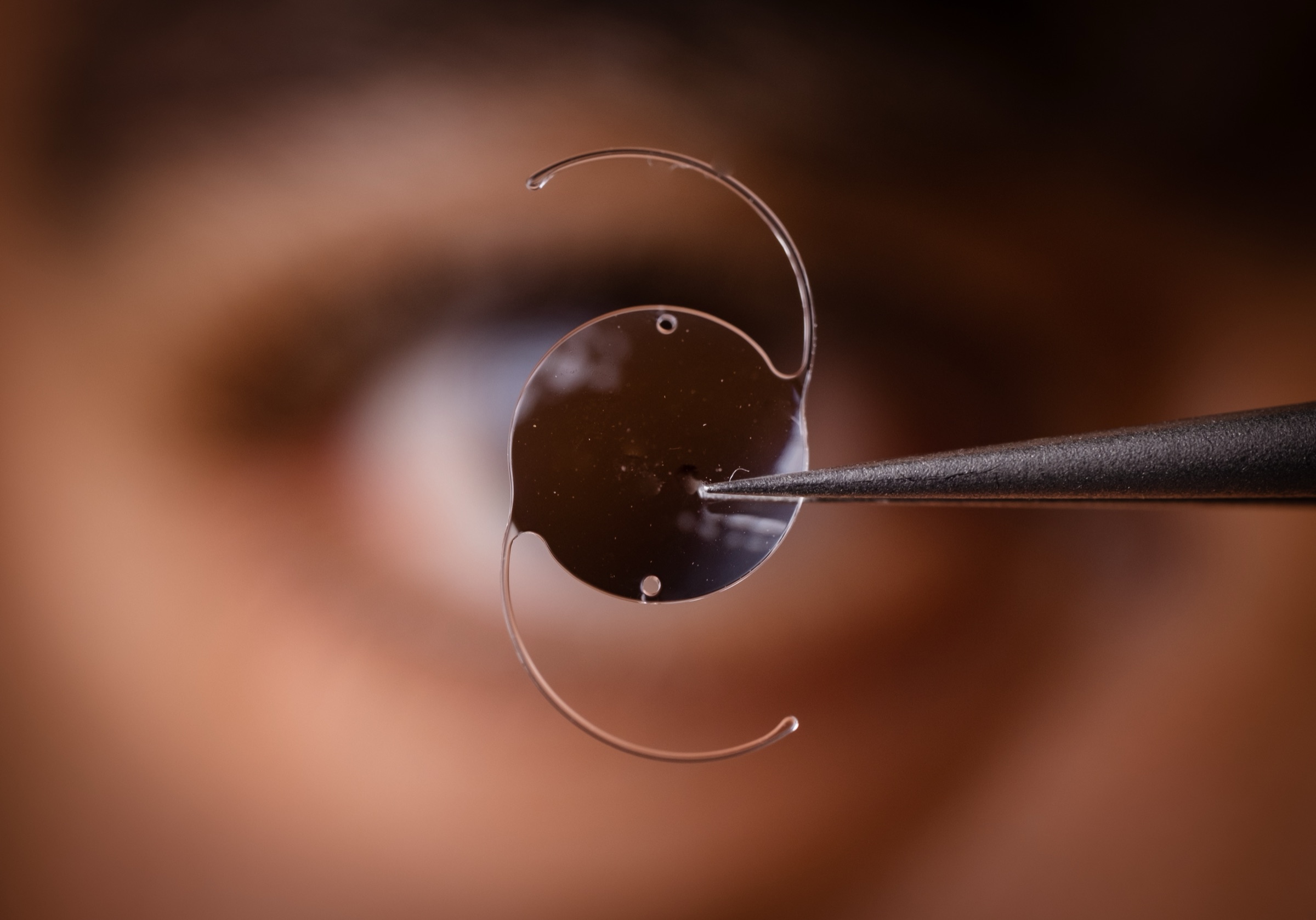
What Is Refractive Lens Exchange?
Refractive Lens Exchange uses the same fundamental surgical approach as cataract surgery.
The difference is why the procedure is performed.
During cataract surgery, the natural lens is removed because it has become cloudy. With RLE, the natural lens may still be clear, but it is replaced to correct vision and provide a greater range of focus.
The natural lens is removed and replaced with an artificial intraocular lens selected according to your prescription and vision goals.
Because the natural lens has been replaced, you also won’t develop a cataract in that eye later in life.
Why Does Near Vision Change With Age?
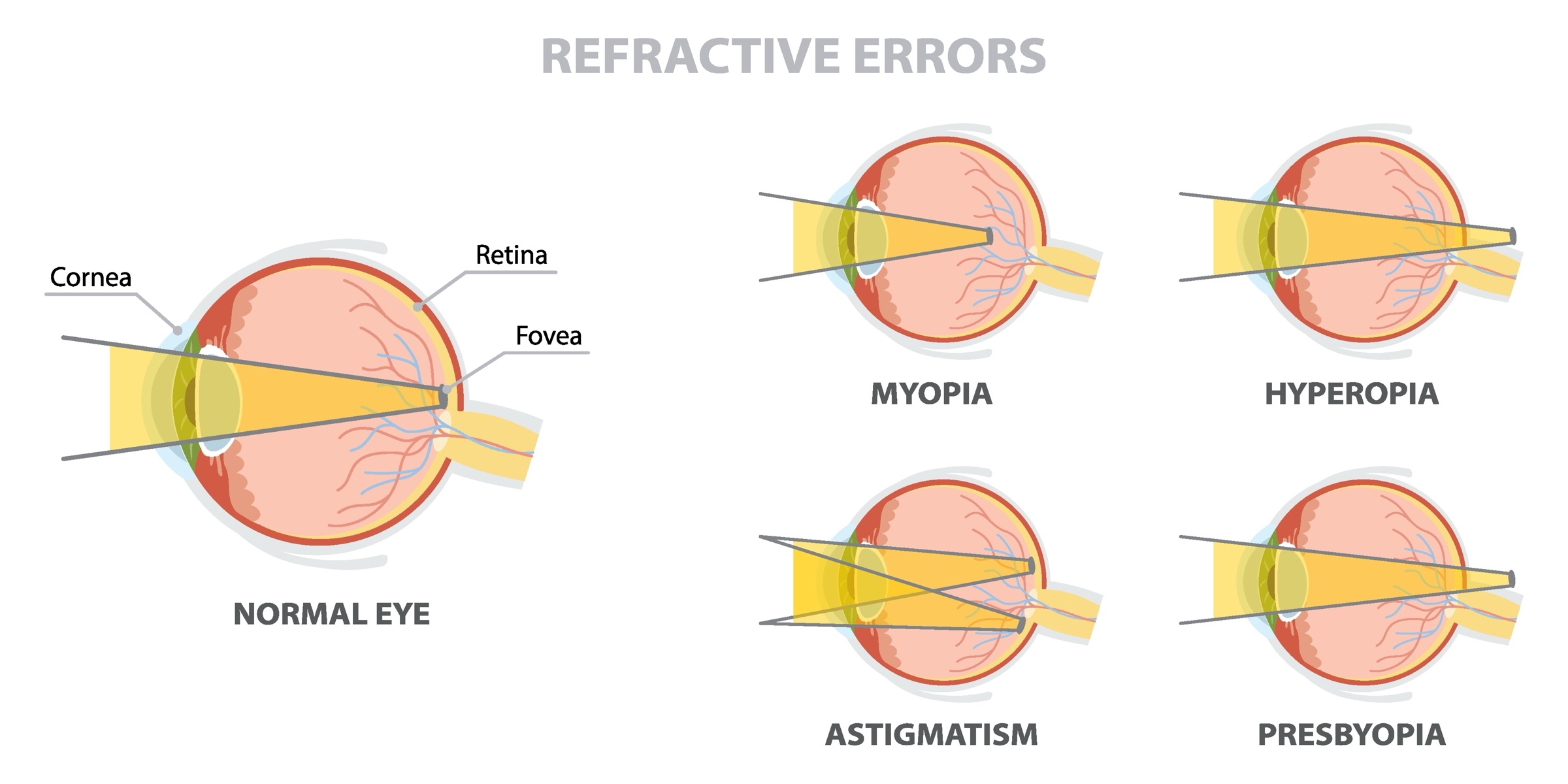
If you’ve reached your 40s or 50s and suddenly find yourself holding your phone farther away, increasing the font size, or reaching for reading glasses, you’re experiencing a normal change called presbyopia.
When we’re younger, the natural lens inside the eye is flexible and can change shape to focus at different distances.
Over time, the lens becomes less flexible. Focusing up close becomes increasingly difficult, even if you’ve always had excellent distance vision.
LASIK can correct certain prescriptions, but it doesn’t stop this natural aging process.
RLE takes a different approach by replacing the aging natural lens altogether.

Who May Be a Candidate for RLE?
RLE is often considered by adults who want to reduce their dependence on glasses or contact lenses but may not be ideal candidates for corneal laser vision correction.
You may want to explore RLE if you:
- Are experiencing presbyopia or age-related changes in near vision
- Depend on reading glasses, bifocals, or progressive lenses
- Have a high degree of nearsightedness or farsightedness
- Want to reduce your dependence on glasses or contacts
- Are not an ideal candidate for LASIK or another corneal procedure
- Want a vision correction option that also prevents future cataract development
RLE isn’t appropriate for everyone. A comprehensive evaluation is necessary to determine whether the potential benefits make sense for your eyes.
RLE vs. LASIK
Both RLE and LASIK can reduce dependence on glasses, but they correct vision in very different ways.
LASIK
LASIK reshapes the cornea—the clear front surface of the eye—to change how light focuses.
RLE
RLE replaces the eye’s natural lens with an artificial lens.
For younger patients whose natural lenses can still focus normally, a corneal procedure such as LASIK may make more sense.
As the natural lens ages and presbyopia becomes more significant, lens-based vision correction may become a better option for certain patients.
Your age alone doesn’t determine which procedure is right for you. Dr. Bedrood will evaluate your prescription, cornea, natural lens, eye health, and vision goals before recommending an approach.
Choosing Your Lens
The lens selected for RLE plays a major role in determining how you see after surgery.
Depending on your eyes and goals, options may include lenses designed to:
- Provide clear vision at distance, near or both
- Correct astigmatism
- Provide functional vision across distance, intermediate, and near ranges
- Reduce your overall dependence on glasses
There is no single lens that is best for everyone.
Dr. Bedrood will discuss how you use your vision throughout the day and help you understand the benefits, limitations, and potential tradeoffs associated with your options.

What Happens During RLE?
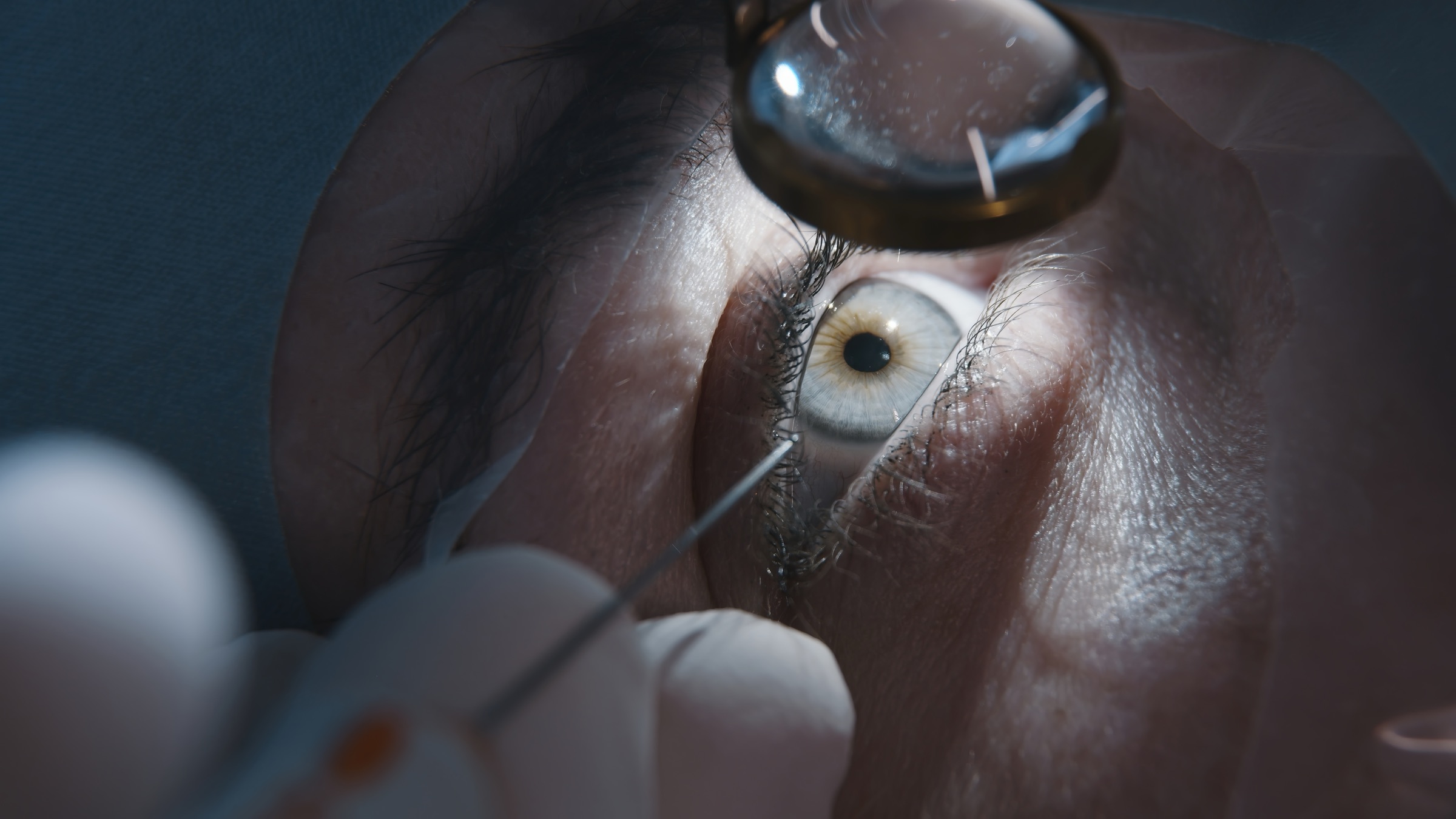
RLE is typically performed as an outpatient procedure.
The natural lens is gently removed and replaced with the IOL selected during your surgical planning.
If you’re having RLE in both eyes, the procedures are generally performed on separate days.
Your vision will continue to adjust as your eyes heal, and Dr. Bedrood will monitor your progress during your postoperative visits.
Will I Still Need Glasses After RLE?
One of the primary goals of RLE is to reduce dependence on glasses or contact lenses, but no lens technology can guarantee complete freedom from glasses.
Your results will depend on several factors, including your eye health, prescription, lens choice, and individual visual needs.
Some patients may still prefer glasses for certain activities, such as reading very small print or driving in particular conditions.
Dr. Bedrood will help you set realistic expectations before surgery so you understand what your chosen lens is designed to provide.

Is RLE Right for You?
If your vision has changed with age and you’re ready to explore an alternative to reading glasses, bifocals, progressives, or contact lenses, Refractive Lens Exchange may be worth considering.
The first step is understanding your options.
Dr. Bedrood will evaluate your eyes, learn what you want from your vision, and help you determine whether RLE—or another vision correction procedure—is the right approach for you.