

Advanced Cataract Surgery
Cataract Surgery Designed Around Your Vision
Cataract surgery has evolved far beyond simply removing a cloudy lens.
Today, advanced diagnostic technology, surgical techniques, and lens options allow cataract surgery to be planned around your individual eyes, lifestyle, and vision goals.
At Spectra Eye Care, Dr. Sahar Bedrood takes a personalized approach to cataract surgery. From your initial evaluation through your postoperative care, every recommendation is made with one goal in mind: helping you achieve the best vision possible for the way you live.
What Makes Cataract Surgery “Advanced”?
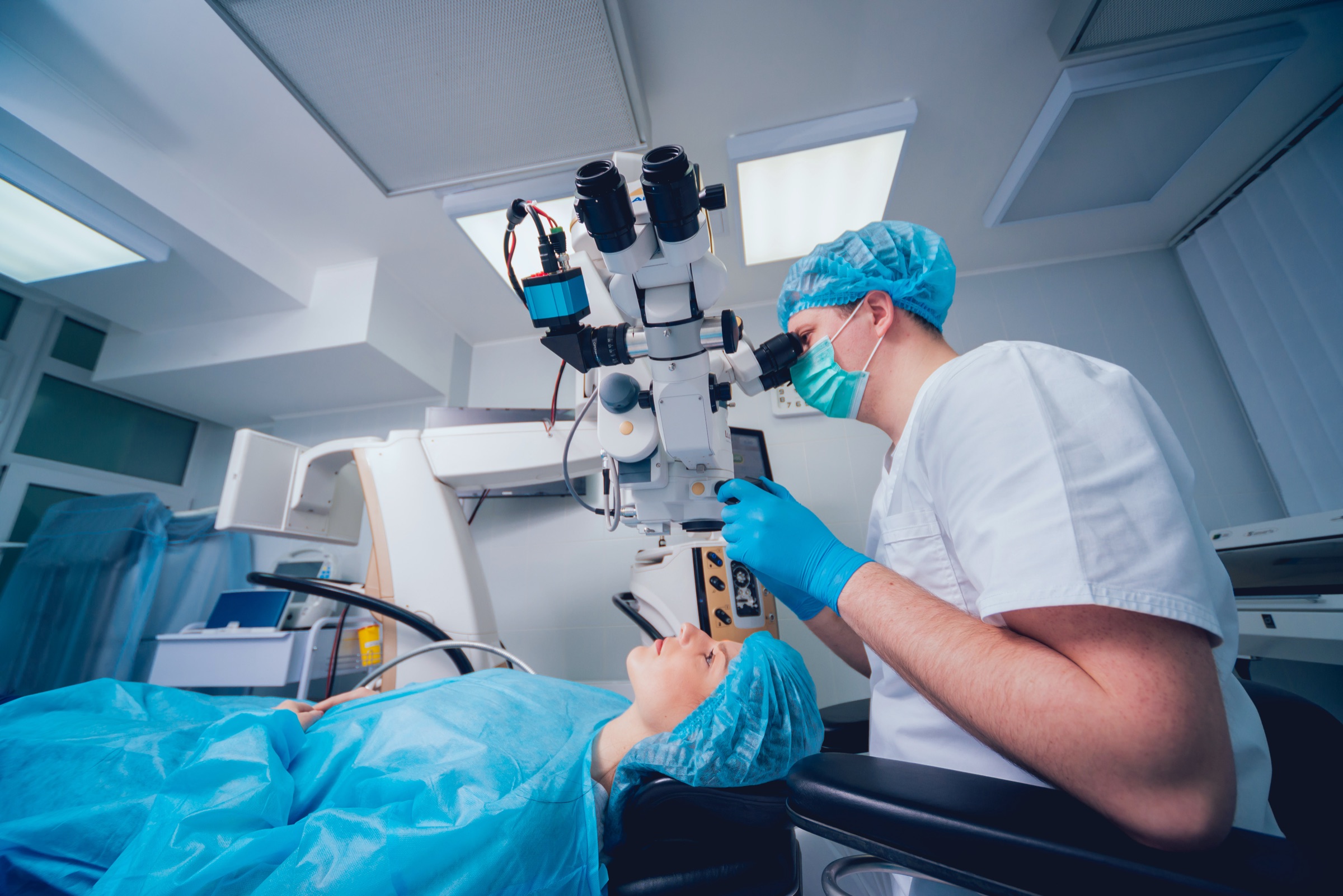
During cataract surgery, the eye’s cloudy natural lens is removed and replaced with a clear artificial lens called an intraocular lens, or IOL.
While the basic purpose of cataract surgery remains the same, today’s technology gives us more opportunities to customize the procedure.
Advanced cataract surgery may incorporate:
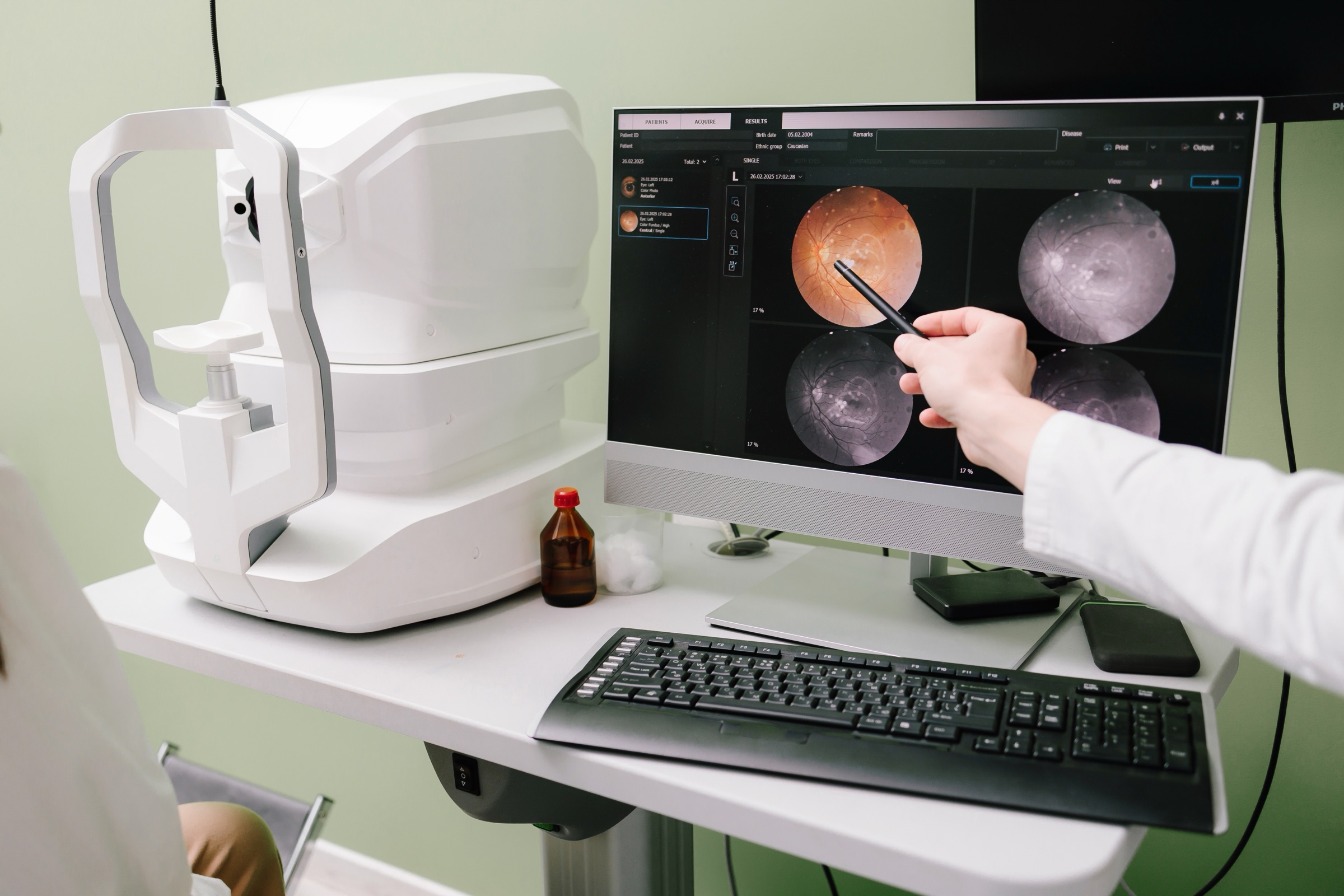
- Detailed measurements and diagnostic imaging before surgery
- Personalized surgical planning
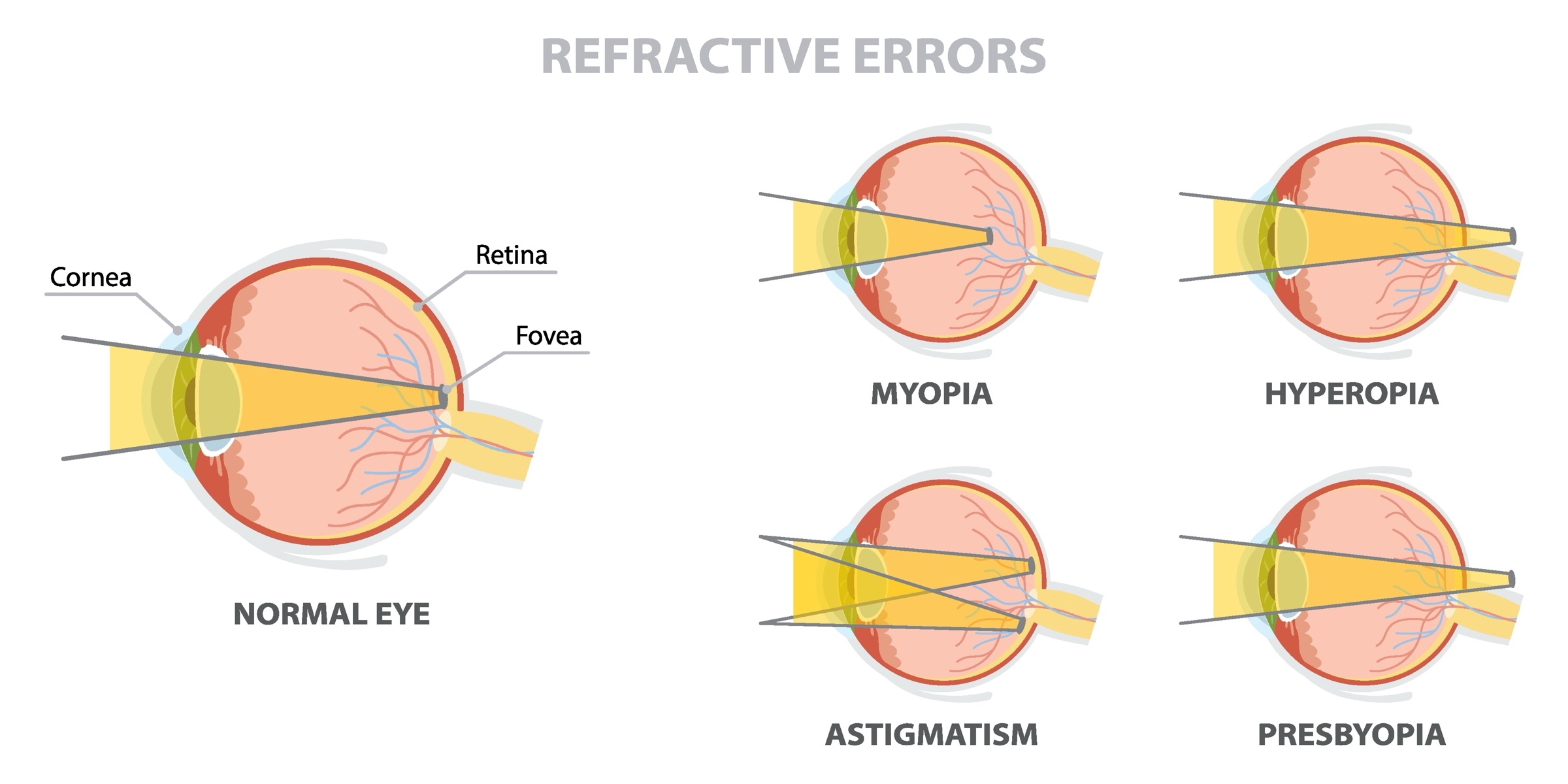
- Astigmatism management
- Advanced intraocular lens options
- Technology designed to provide a greater range of vision
- Glaucoma treatment performed at the time of cataract surgery when appropriate
The right combination of technologies depends on your eyes and what you hope to achieve with your vision.
Your Vision Goals Matter
Two people can have very similar cataracts and want completely different things from their surgery.

One patient may prioritize crisp distance vision for driving.

Another may spend most of the day working at a computer.

Someone else may want as much freedom from glasses as possible.
That’s why Dr. Bedrood starts by learning about you.
Your work, hobbies, screen use, driving habits, current glasses, eye health, and expectations all help shape your surgical plan.
Rather than beginning with a particular technology, we begin with a conversation about your vision.
Lens technology
Advanced Lens Options
The lens implanted during cataract surgery plays an important role in your vision afterward.
Traditional monofocal lenses are typically designed to provide clear vision at one primary distance. Advanced lens technologies may provide additional benefits, such as correcting astigmatism or expanding your range of vision.
Depending on your eyes, options may include:
Monofocal IOLs
Designed to provide clear vision at a selected focal distance, most commonly distance vision.
Toric IOLs
Designed to correct certain levels of astigmatism while replacing the cataract.
Extended Depth of Focus (EDOF) IOLs
Designed to provide an extended range of vision, particularly across distance and intermediate ranges.
Multifocal or Trifocal IOLs
Designed to provide vision at multiple distances and potentially reduce dependence on glasses.
Not every lens is appropriate for every eye. Dr. Bedrood will help you understand which technologies may be suitable for you and the advantages and tradeoffs of each.
Correcting Astigmatism During Cataract Surgery
If you have astigmatism, cataract surgery may provide an opportunity to address it.
Depending on the amount and type of astigmatism present, treatment may involve a toric IOL or another technique designed to improve the shape and focusing ability of the eye.
Your preoperative testing will help determine whether astigmatism correction should be incorporated into your surgical plan.
Cataract Surgery for Patients With Glaucoma
Cataracts and glaucoma commonly occur together.
For certain patients, cataract surgery also creates an opportunity to address glaucoma. Minimally invasive glaucoma surgery and other interventional glaucoma treatments may be performed at the same time as cataract surgery when appropriate.
A combined approach may help improve eye pressure control and, for some patients, reduce dependence on glaucoma medications.
Because Dr. Bedrood specializes in both cataract and glaucoma surgery, she can evaluate your complete eye health and determine whether treating both conditions together makes sense.
What to Expect From Your Cataract Evaluation
Your cataract consultation is about much more than confirming that you have a cataract.
Dr. Bedrood will evaluate your eye health, take detailed measurements, and talk with you about how your vision affects your daily life.
Together, you’ll discuss:
- How cataracts are affecting your vision
- Your lifestyle and visual priorities
- Your current glasses or contact lens prescription
- Astigmatism
- Your overall eye health
- Cataract lens options
- Your desired level of glasses independence
- Any additional conditions, including glaucoma
You’ll leave with a clearer understanding of your options and why a particular approach may—or may not—be right for you.

A More Personal Approach to Better Vision
Advanced technology gives us more options than ever before. But technology alone doesn’t determine a great outcome.
The most important part is choosing the right approach for the right patient.
At Spectra Eye Care, Dr. Bedrood combines advanced surgical care with thoughtful, individualized planning to help you make a confident, informed decision about your vision.