Glaucoma
Protecting Your Vision From Glaucoma
Glaucoma can cause permanent vision loss, often without noticeable symptoms in its early stages. But a glaucoma diagnosis doesn’t mean vision loss is inevitable.
Comprehensive Glaucoma Care
With early detection, careful monitoring, and the right treatment plan, glaucoma can often be managed effectively for many years.
At Spectra Eye Care, Dr. Sahar Bedrood provides comprehensive glaucoma care with a proactive, personalized approach. From monitoring early disease to medical, laser, and surgical treatment, the goal is always the same: protecting the vision you have today for the years ahead.
What Is Glaucoma?
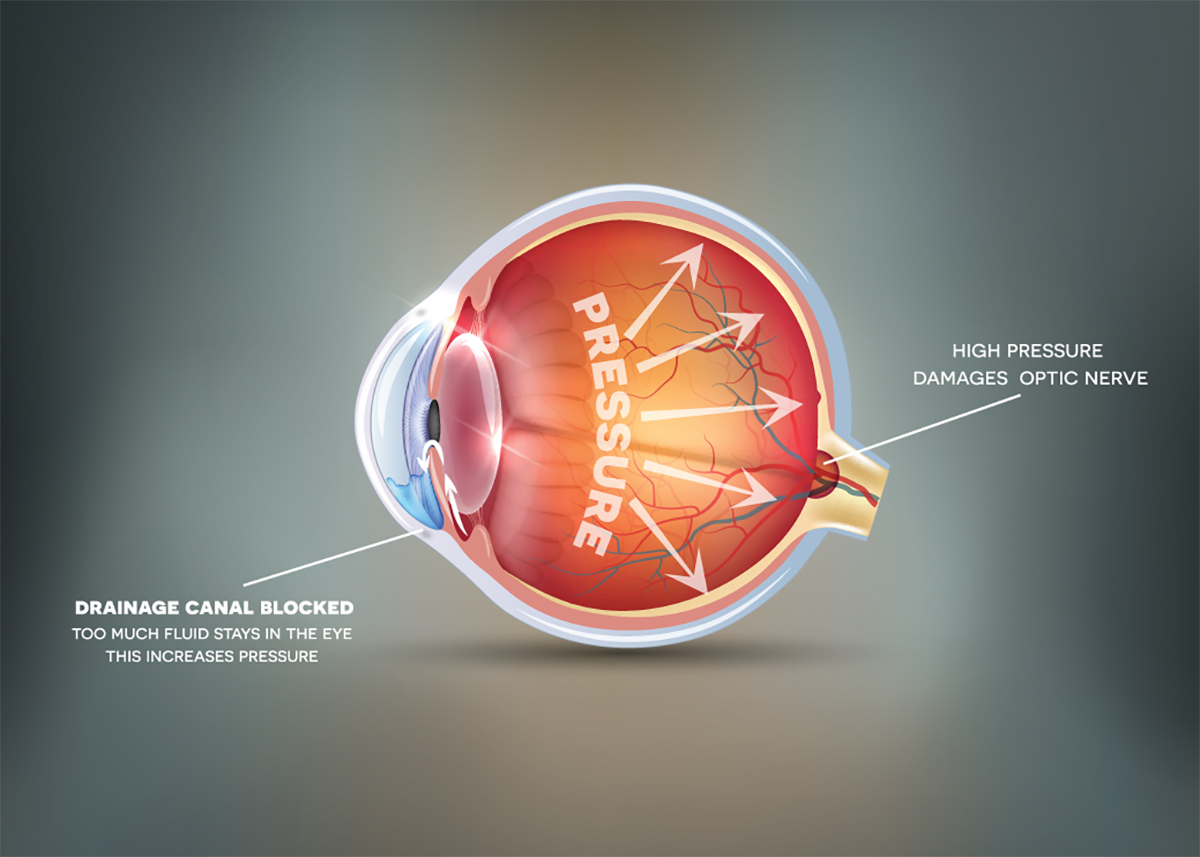
Glaucoma is a group of eye diseases that damage the optic nerve, which carries visual information from your eye to your brain.
Eye pressure is an important risk factor for glaucoma. When pressure inside the eye is too high for your optic nerve, damage can occur over time.
However, glaucoma is more complex than eye pressure alone. Some people develop glaucoma despite having pressures within a traditionally “normal” range, while others have elevated eye pressure without developing optic nerve damage.
That’s why diagnosing and managing glaucoma requires looking at the complete picture.
Why Is Glaucoma Called the “Silent Thief of Sight”?
Many forms of glaucoma develop gradually and cause no pain or obvious symptoms at first.
Peripheral vision may begin to change before central vision, and the brain can compensate for early changes, making vision loss difficult to recognize.
Unfortunately, vision already lost to glaucoma cannot currently be restored.
Regular eye examinations and appropriate glaucoma testing can identify changes before you notice them yourself, giving us an opportunity to intervene earlier.
Who Is at Risk for Glaucoma?
Anyone can develop glaucoma, but certain factors can increase your risk.
These may include:
Increasing age
A family history of glaucoma
Elevated eye pressure
Certain racial or ethnic backgrounds
Thin corneas
Significant nearsightedness or farsightedness
Previous eye injury or surgery
Long-term corticosteroid use
Certain medical conditions
Having one or more risk factors doesn’t mean you will develop glaucoma, but it may mean you should be monitored more closely.
How Is Glaucoma Diagnosed?
Glaucoma cannot be diagnosed with a single eye pressure measurement.
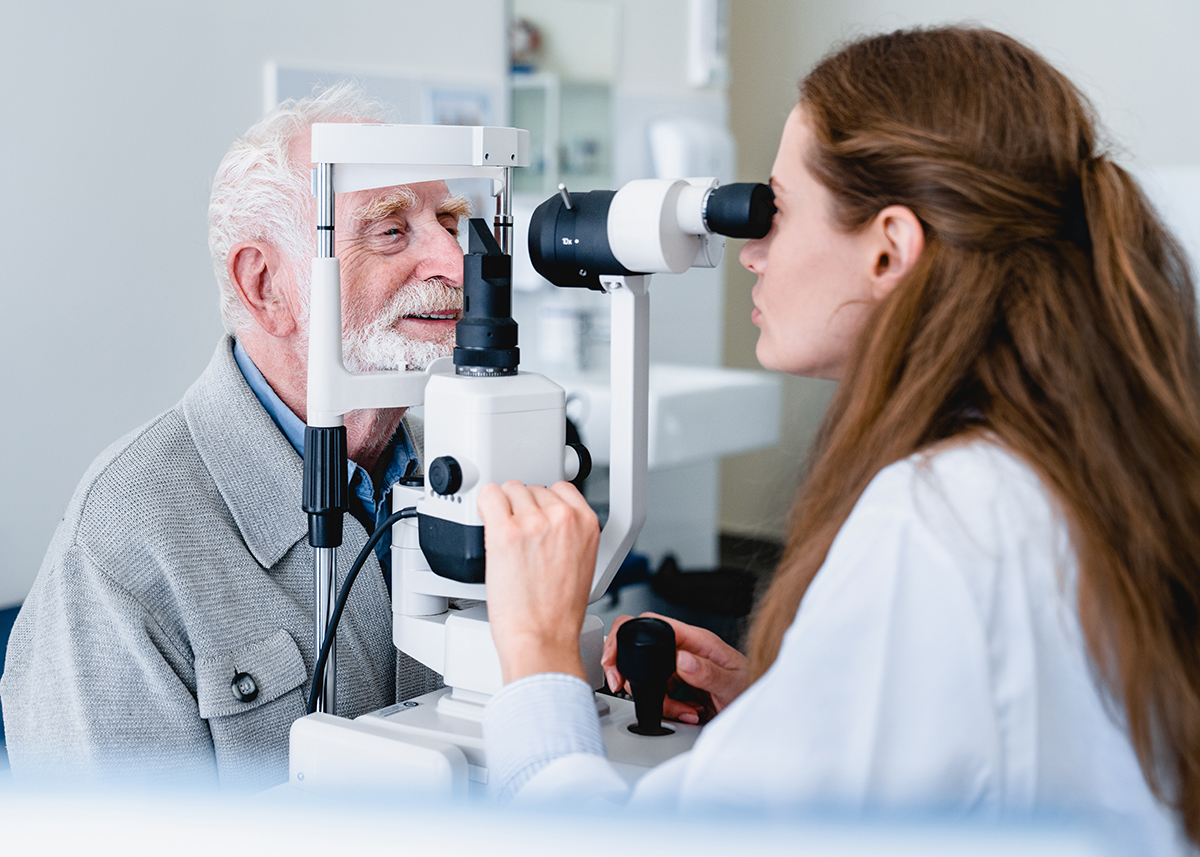
Dr. Bedrood may use several tests to evaluate your eyes and look for signs of glaucoma or progression.
Your evaluation may include:
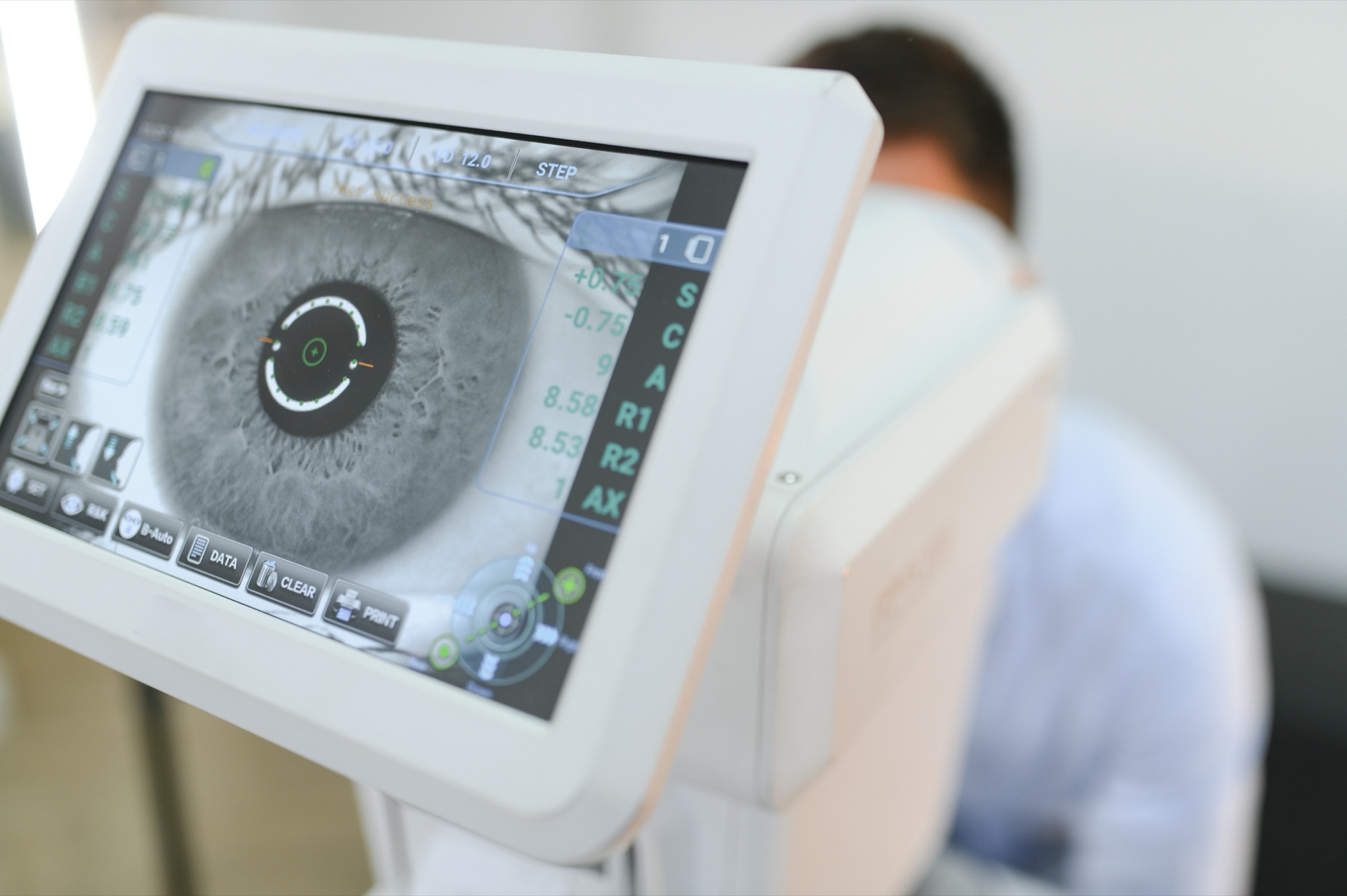
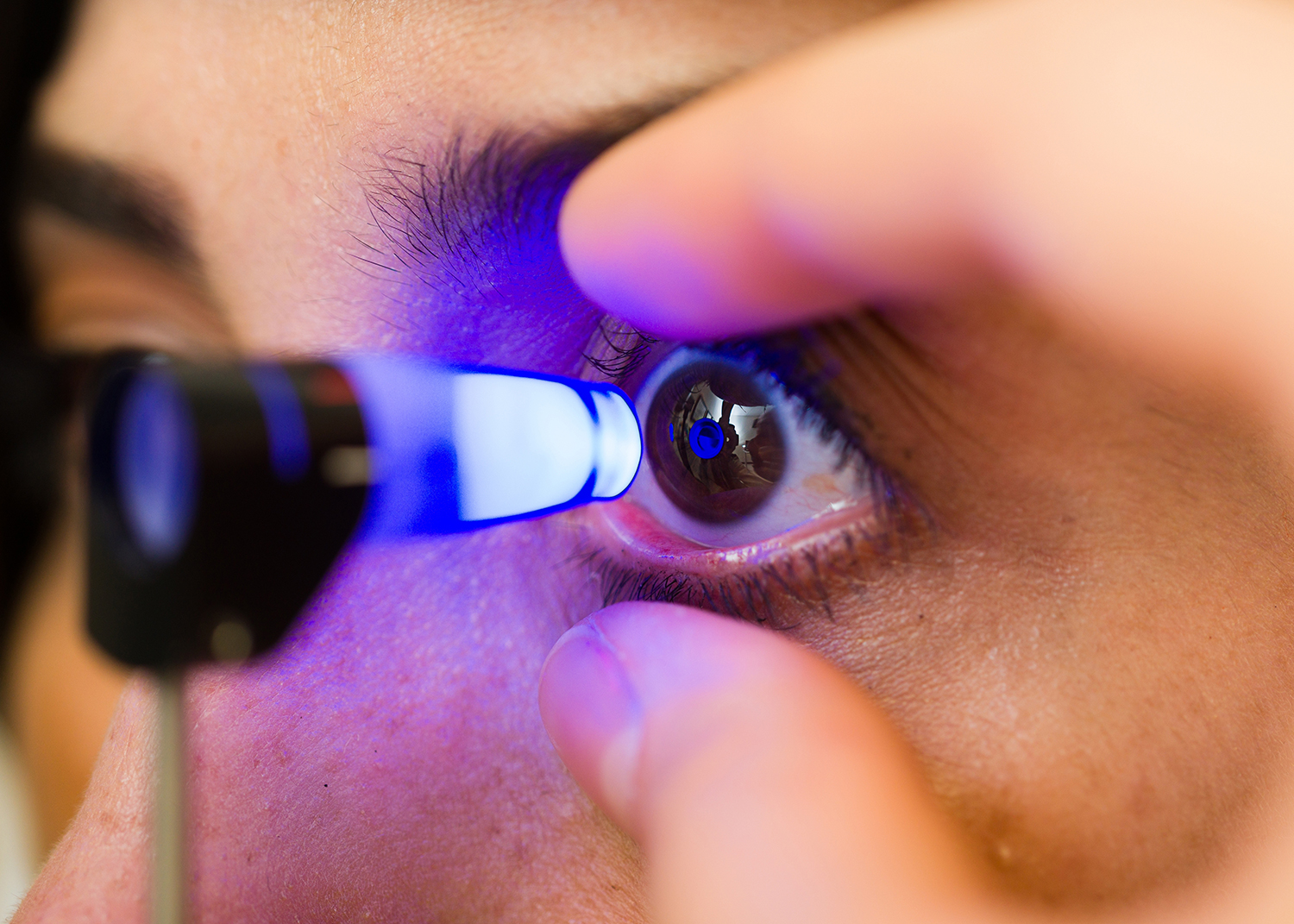
Eye Pressure Testing
Measures the pressure inside your eyes.
Optic Nerve Examination
Allows Dr. Bedrood to evaluate the appearance and health of your optic nerve.
Optical Coherence Tomography (OCT)
Creates detailed images that can help measure the nerve fiber layers around the optic nerve.
Visual Field Testing
Measures your peripheral and central vision to identify areas that may have been affected by glaucoma.
Corneal Thickness Measurement
Measures the thickness of your cornea, which can affect the interpretation of eye pressure measurements.
Gonioscopy
Allows Dr. Bedrood to examine the eye’s drainage system with a special lens and better understand the type of glaucoma present.
These results are considered together to determine whether glaucoma is present and, if so, how aggressively it should be treated.
A Personalized Approach to Glaucoma Treatment
There is no single glaucoma treatment plan that works for every patient.
Treatment may include eye drops, laser therapy, medication delivery options, minimally invasive glaucoma surgery, or more traditional glaucoma surgery.
Dr. Bedrood will explain your options and why a particular approach makes sense for your eyes.
The appropriate treatment depends on factors including:
- Your type of glaucoma
- Your current eye pressure
- The health of your optic nerve
- Whether vision loss has already occurred
- How quickly the disease is progressing
- Your age and overall eye health
- Other eye conditions
- Your current medications
- Your individual treatment goals
Treatment options
Beyond Another Bottle of Drops
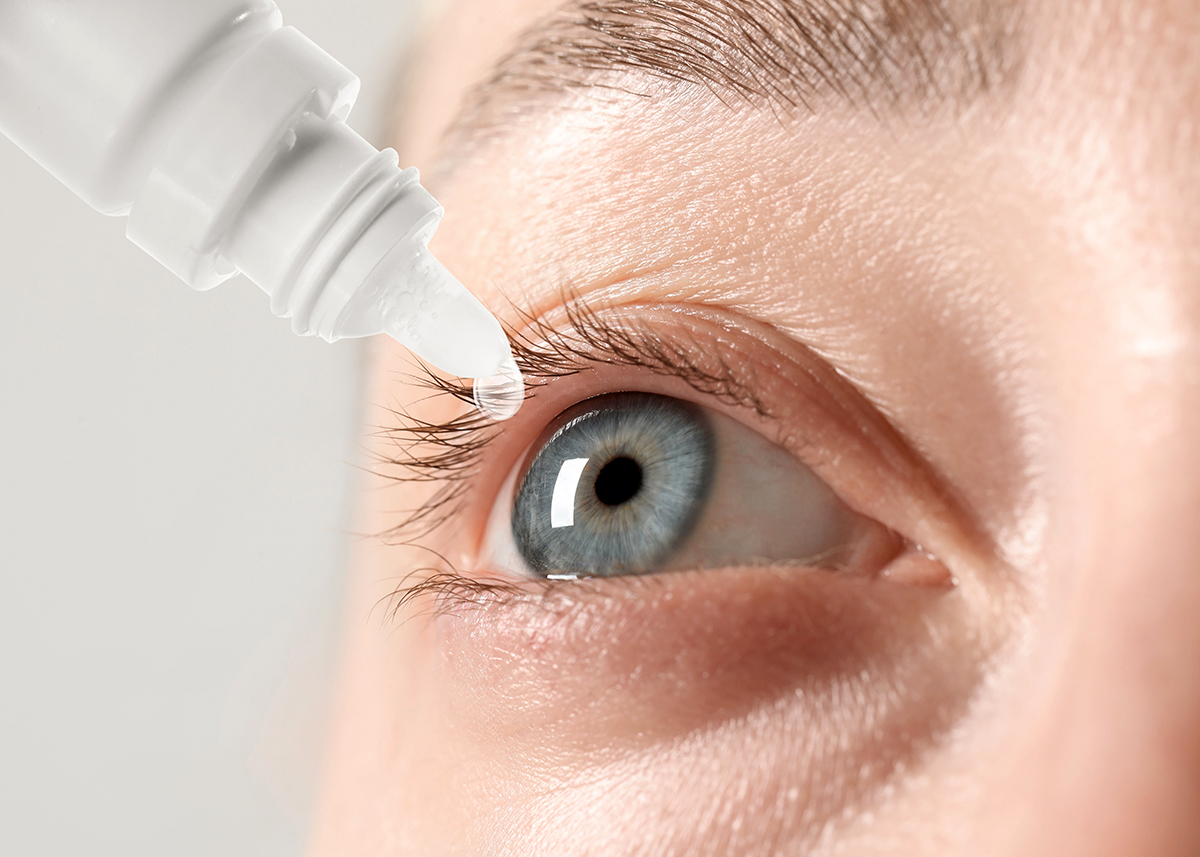
Glaucoma Eye Drops
Prescription eye drops have long been an important part of glaucoma treatment.
Depending on the medication, drops may work by decreasing the amount of fluid produced inside the eye or helping fluid drain more effectively.
Eye drops can control pressure very effectively for many patients, but they also require consistency.
Some patients have difficulty remembering daily drops, administering them correctly, tolerating side effects, or managing multiple medications.
Today, glaucoma treatment doesn’t necessarily have to begin and end with another bottle of eye drops.
Laser Treatment for Glaucoma
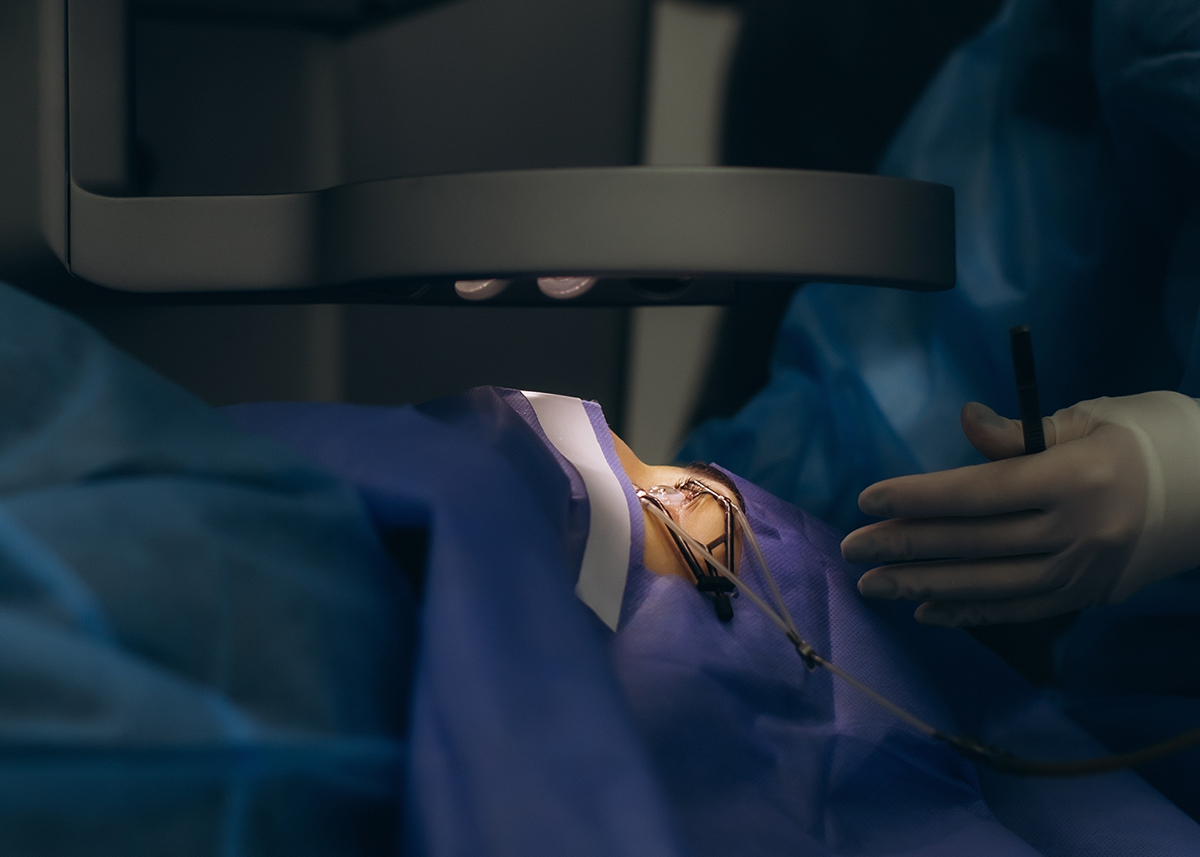
Laser therapy can be an effective way to lower eye pressure for certain types of glaucoma.
Selective Laser Trabeculoplasty, commonly called SLT, treats the eye’s natural drainage system to help fluid leave the eye more efficiently.
For appropriate patients, SLT may be considered earlier in treatment rather than waiting until multiple medications have been tried.
The effect of laser treatment varies from patient to patient, and additional treatment may still be needed over time.
Interventional Glaucoma
Modern glaucoma care increasingly gives patients options beyond long-term dependence on daily eye drops.
Interventional glaucoma is a proactive approach that may incorporate laser treatments, sustained medication delivery, minimally invasive glaucoma surgery (MIGS), and other procedures earlier in the course of treatment when appropriate.
For some patients, these options can improve pressure control while reducing the burden associated with daily medications.
Glaucoma and Cataract Surgery
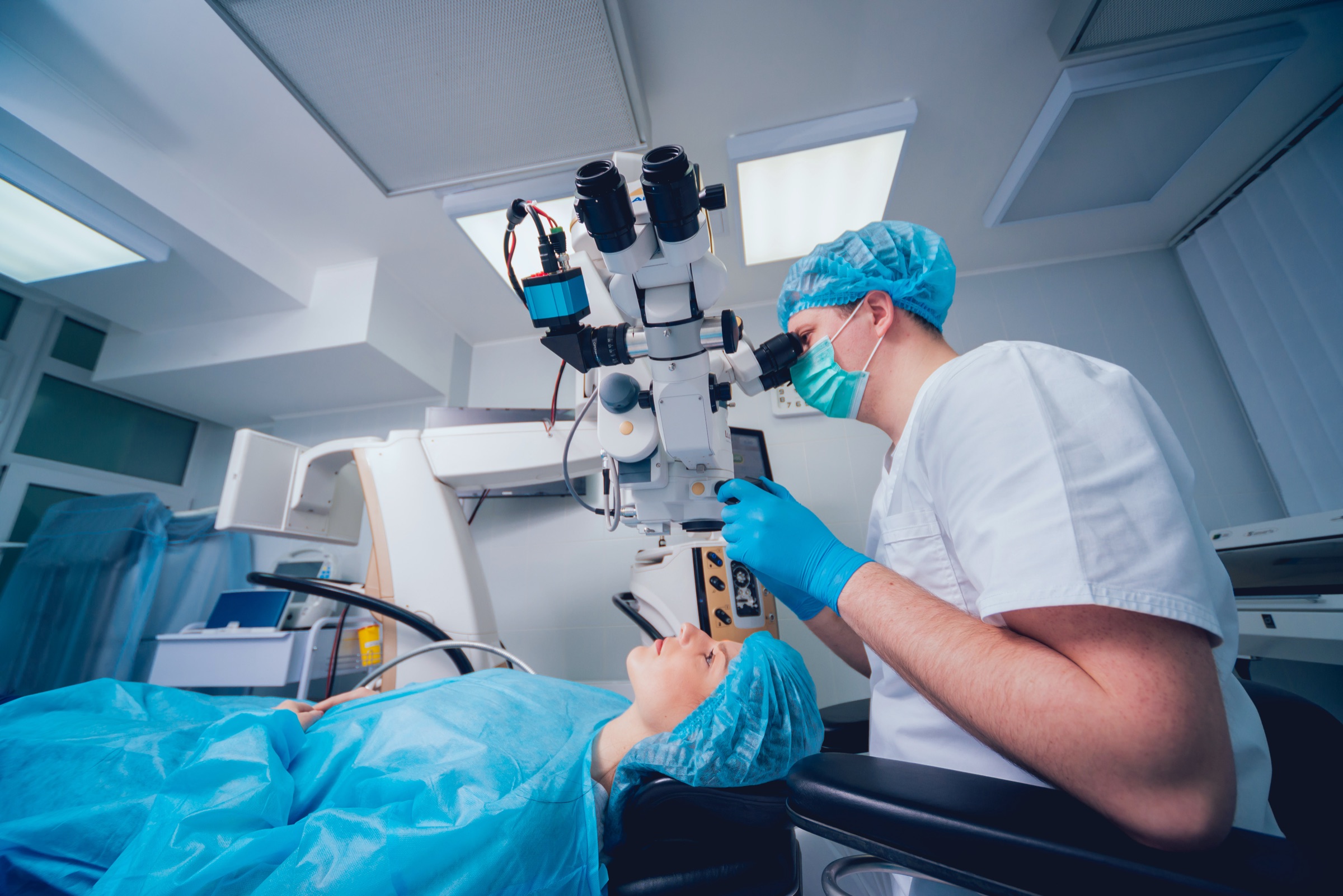
If you have both glaucoma and cataracts, the two conditions should be considered together when planning surgery.
Certain minimally invasive glaucoma procedures can be performed at the same time as cataract surgery. For appropriate patients, combining treatments may improve eye pressure control and potentially reduce dependence on glaucoma medications.
Because Dr. Bedrood specializes in both cataract and glaucoma surgery, she can develop a surgical plan that considers your complete eye health rather than treating each condition in isolation.

Stay Ahead of Glaucoma
Glaucoma care isn’t just about lowering a number on an eye pressure test. It’s about understanding how your eyes are changing over time and intervening when necessary to protect your vision.
Whether you’ve recently been diagnosed, have been managing glaucoma for years, or are looking for another opinion about your treatment options, Dr. Bedrood can help you understand where you are today and what comes next.